Smart Home IoT Devices Development
We build the devices behind the smart home — sensors, hubs, and controllers that connect reliably and keep working long after the app has stopped getting updates. From radio selection and pairing to battery life and local automations that survive a dropped connection, we design for the years a device actually spends installed, not just the demo.
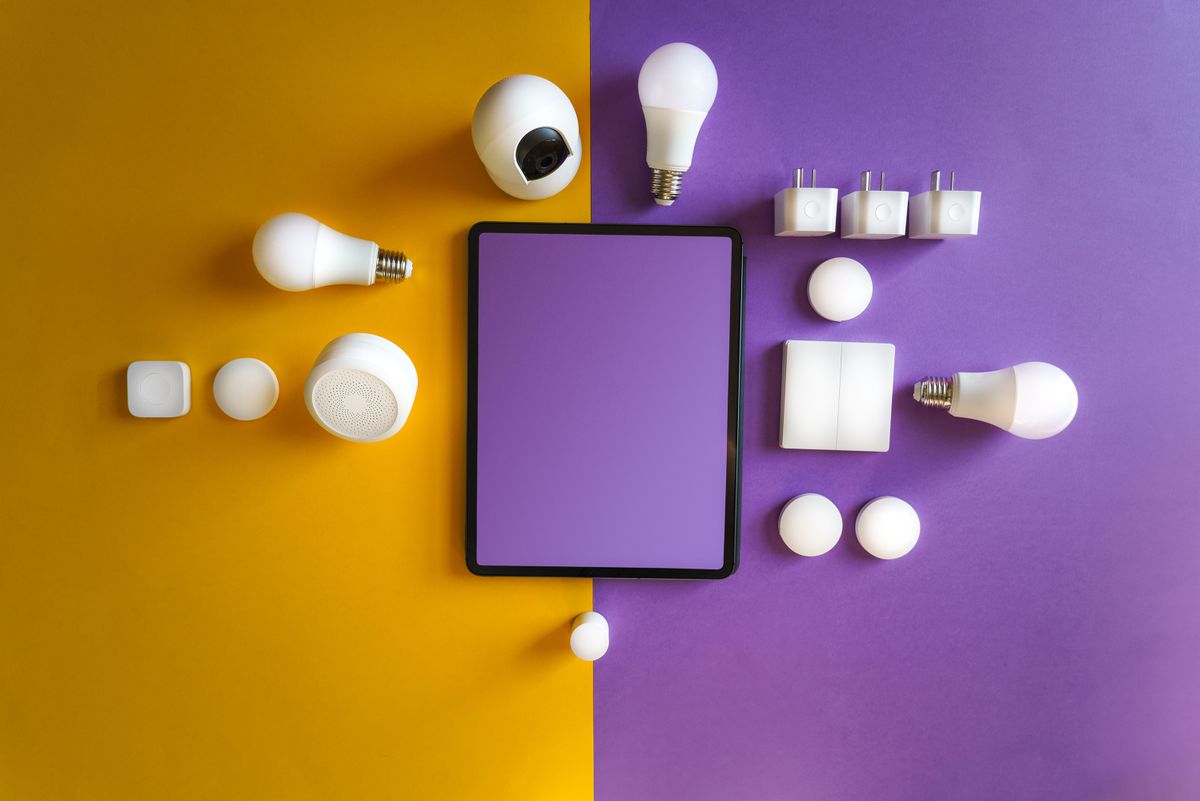
Smart Home Devices Development With Armtronics
A smart home device has to get the sensing, the connectivity, and the power budget right at the same time. Here's what that actually involves.
Sensor & Actuator Integration
We integrate the sensors and actuators that make a device aware of its environment, from motion and temperature to door and window contacts. Firmware reads them reliably, filters noise, and reacts within the timing a smart home experience needs. The result is a device that responds the moment something actually changes.
Wireless Connectivity
Devices are built around the radio that fits the product: Wi-Fi, Thread, Zigbee, or Bluetooth Low Energy. We handle pairing, range, and power trade-offs so the device stays connected without draining its battery. Connectivity is treated as a core design constraint, not an afterthought.
Low-Power & Battery Design
Many smart home devices need to run for months or years on a single battery or coin cell. We design the firmware's power states and sleep cycles around that budget from day one. Every wake-up and radio transmission is accounted for in the power model, not left to chance.
Cloud & App Integration
A smart home device is only half the product — the other half is how it reports state and receives commands from an app or hub. We build the device-side integration that makes that connection reliable, not just functional in a demo environment.
Security by Design
Smart home devices sit on home networks and often handle sensitive data, from camera feeds to door locks. We build in secure boot, encrypted communication, and credential protection from the first prototype, not as a patch applied right before shipping.
Examples of Smart Home Solutions by Armtronics
The kind of devices this work typically covers, across the categories that make up a connected home.
- Smart Lighting Control
- Smart Locks & Access
- Climate & Thermostat Control
- Security Sensors & Cameras
- Smart Plugs & Energy Monitoring
- Smart Hubs & Bridges
Matter Protocol
Matter is the standard we build new smart home devices around by default — it means the device you ship isn't locked to a single app or hub.
- Cross-ecosystem compatibility — one device works with Apple Home, Google Home, Alexa, and SmartThings
- Built on IP — runs over Thread, Wi-Fi, or Ethernet instead of a proprietary radio
- Local-first control — core automations keep working even if the internet doesn't
- Open standard — governed by the CSA, with thousands of certified products already on the market
How We Work
The same disciplined process, from a first requirements conversation to a device shipping in volume.
Requirements & protocol selection
We start from how the device will actually be used, then choose the radio and protocol stack to match — Matter, Thread, Wi-Fi, or BLE.
Hardware & firmware co-design
Power budget, antenna placement, and firmware architecture are worked out together, not handed off in sequence.
Connectivity & cloud integration
Pairing, commissioning, and the app or hub connection are built and tested against real network conditions, not just a lab bench.
Certification & interoperability testing
Devices are tested against the certification program they need to pass, and against the ecosystems they need to actually work with.
Pilot production
A small batch validates the build process before committing to full volume.
Ongoing updates & support
We stay involved after launch, as protocols, ecosystems, and security requirements keep moving.
Functional Safety
A smart home device isn't safety-critical in the automotive sense, but a lock or a heater still has to fail safely.
- Electrical safety compliance (IEC 60335 / UL) for anything connected to mains power
- Fail-safe behavior — a lock defaults to a safe state on power loss, not an undefined one
- Thermal & overcurrent protection built into the hardware, not left to the firmware alone
- Watchdog-supervised recovery, so a firmware fault doesn't leave a device stuck
- Failure modes tested deliberately, before certification finds them for us
- Safety test results documented and delivered alongside the certification package
Meeting the Industry Standards
Certification isn't a final step we scramble for — it's a target we design toward from the start.
- Matter / CSA certification
- Wi-Fi Alliance certification
- Bluetooth SIG qualification
- Regional radio compliance (FCC, CE, IC)
- Safety standards (IEC 62368-1)
- Privacy-aware design (GDPR-conscious data handling)
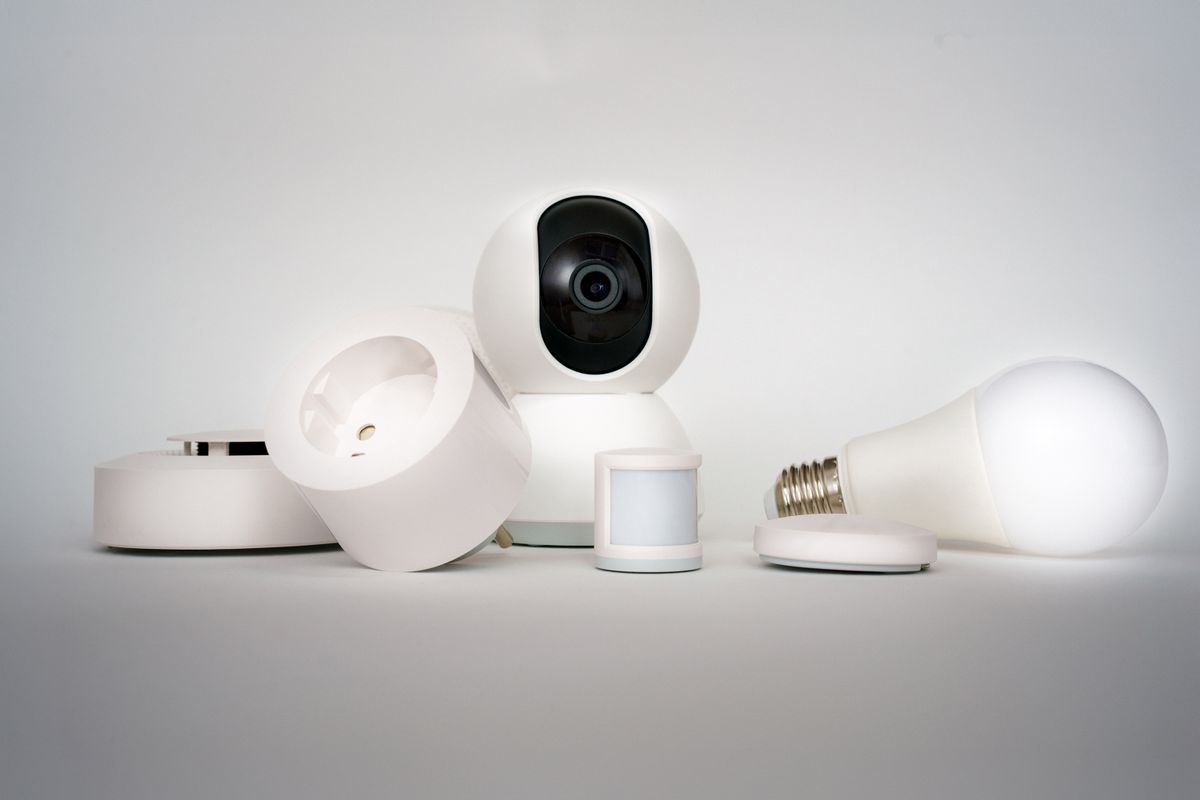
Ongoing Support
A smart home device ships once but has to keep working for years — that only happens with support behind it.
- OTA firmware updates delivered without bricking devices already in the field
- Security patch monitoring as new vulnerabilities surface, not just at launch
- Compatibility updates as Matter and the ecosystem apps around it keep evolving
- A direct engineering support channel, not a ticket queue that goes quiet after launch