Firmware Development Services
Firmware is the layer where hardware becomes a product. We write it to be correct, efficient, and maintainable long after launch. From bare-metal drivers to a full real-time application, every line is built for the constraints of the device it runs on — no shortcuts that come back later as a field failure.
Real-Time Programming and Resource-Constrained Environments
Most embedded firmware doesn't run on a general-purpose OS with memory and cycles to spare — it runs on a fixed budget of RAM, flash, and CPU time, often with hard deadlines that can't be missed. We design around those constraints from the start: deterministic timing and code that fits the actual part, not a development board with room to spare.
- Automotive (ECUs, sensor fusion, real-time control)
- Medical devices (patient-safety-critical timing)
- Industrial control & automation (PLC-class determinism)
- Aerospace & defense (hard real-time, certification)
- Consumer electronics (tight cost & power budgets)
- Wearables & wireless sensors (ultra-low-power constraints)
CPU Architectures
We write firmware close to the metal, whichever core your product is actually built on.
- M
ARM Cortex-M
The default choice for most microcontroller-class embedded firmware.
- A
ARM Cortex-A
Application-class cores for firmware running under embedded Linux.
- RV
RISC-V
An open instruction set gaining ground in custom and cost-sensitive silicon.
- AVR
AVR
Simple, low-cost 8-bit cores still common in basic control and hobbyist hardware.
- x86
x86
Used where embedded firmware needs to run alongside PC-class software.
- MIPS
MIPS
A long-standing architecture in networking gear and legacy industrial systems.
Programming Languages
The language follows the layer of the stack — from cycle-level code to the IoT gateway sitting above it.
- C
C
The baseline language for firmware written close to the hardware.
- C++
C++
Used where firmware needs more structure without giving up low-level control.
- ASM
Assembly
For the small number of routines where every cycle and instruction matters.
- Rs
Rust
A memory-safe option we reach for on newer, safety-conscious designs.
- Py
Python
Used on IoT gateways and edge devices running embedded Linux, not on the microcontroller itself.
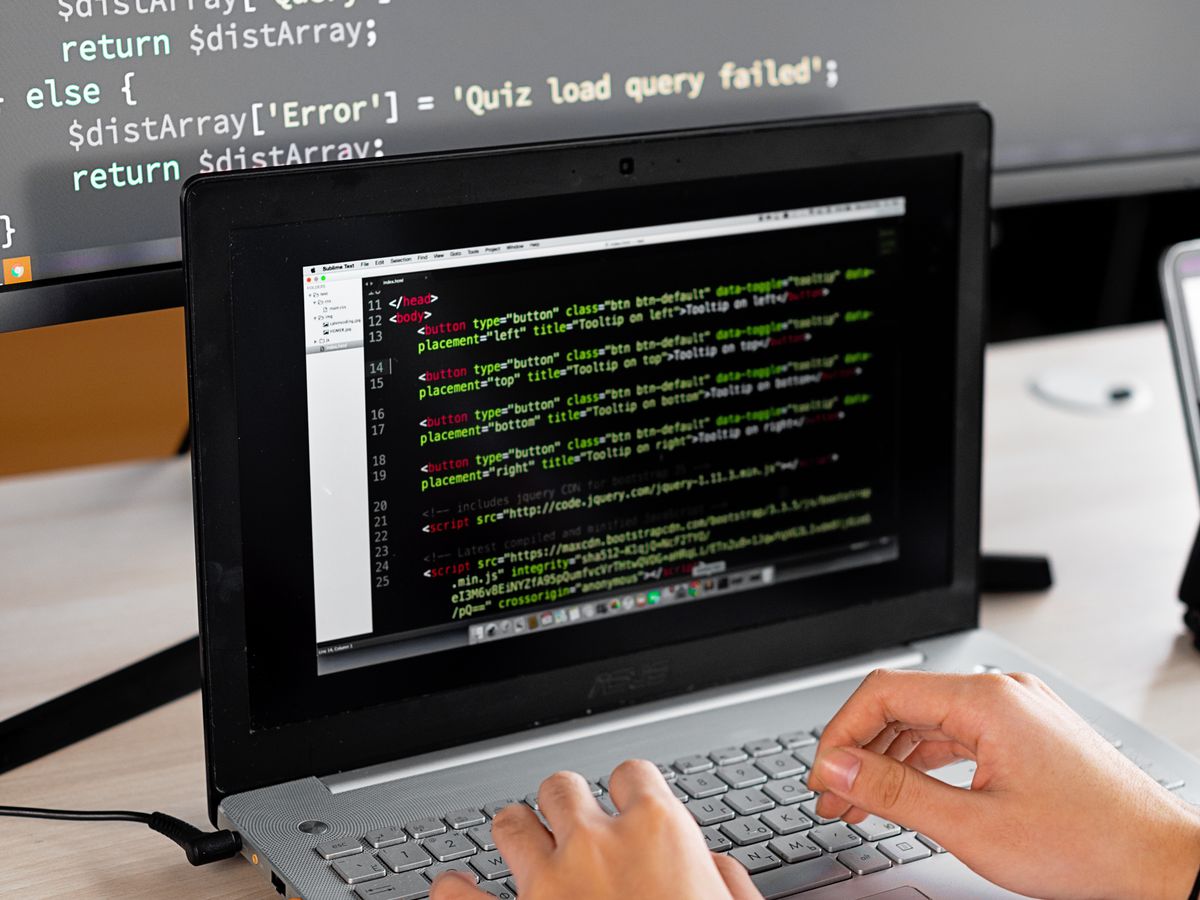
Firmware Development: The Service That's Worth the Investment
Good firmware is invisible when it works — the cost only shows up when it doesn't.
- Firmware bugs caught in development are cheap; caught in the field, they're a recall.
- Clean architecture up front means new features later don't require a rewrite.
- Real-time correctness verified against actual hardware, not just simulated timing.
- Full source and documentation handed over — the firmware is yours, not a black box.
- One engagement instead of five vendors — hardware, firmware, and testing under one team.